By Analyst Team · Updated 2026-07-20 · 10 min read
If you've ever searched for "is IPTV legal," you already know the answer isn't simple. IPTV (Internet Protocol Television) exists in a gray area that confuses even experienced streamers. The short answer is this: IPTV itself is perfectly legal, but many services operate outside the law by streaming copyrighted content without permission. This complete guide cuts through the confusion, explaining exactly how legality works, how to identify a legal IPTV provider, and where to find safe subscriptions in 2025.
What Exactly Is IPTV and Why Does "Is IPTV Legal" Matter?
IPTV stands for Internet Protocol Television. Unlike traditional cable or satellite TV that broadcasts signals through radio waves, IPTV delivers television content over your internet connection. Think of it like watching Netflix or YouTube, but for live TV channels. Major telecom companies like AT&T (U-verse) and Verizon (FIOS) have used legal IPTV for years. So the technology itself is not illegal.
The confusion around "is IPTV legal in USA" and other countries stems from how some providers source their content. Legal IPTV services pay licensing fees to broadcast channels and shows. Illegal IPTV providers simply steal the streams and resell them at a fraction of the cost. Understanding this distinction protects you from legal trouble and supports the creators who make the content you love.
The global IPTV market is expected to exceed $117 billion by 2025, according to Grand View Research. This massive growth has attracted both legitimate businesses and shady operators. Making the right choice matters for your security, privacy, and peace of mind.
How IPTV Works: Step by Step
Understanding how IPTV functions helps clarify the legality question. Here is the technical process broken down into simple steps:
- Content Acquisition: The provider obtains TV channels and on-demand content. Legal providers secure proper licensing agreements with broadcasters and content owners. Illegal providers capture streams without permission using capture cards or unauthorized API access.
- Encoding and Transcoding: Raw video content gets compressed into digital formats suitable for internet streaming. This step ensures smooth playback across different devices and internet speeds.
- Server Distribution: The encoded content is stored on servers or delivered through content delivery networks (CDNs). Legal providers use enterprise-grade infrastructure with redundancy. Illegal providers often use cheap offshore servers that lack reliability.
- Middleware Management: A software platform organizes channels, manages user accounts, and provides the electronic program guide (EPG). This is the interface you navigate to find channels.
- Delivery to Your Device: When you select a channel, the server sends the stream directly to your IPTV app or set-top box. The video plays in real-time using streaming protocols like HLS or RTMP.
The difference between legal and illegal IPTV happens at step one. A provider cannot legally redistribute copyrighted content without explicit permission from the rights holder. This is why services offering thousands of live channels for $10 per month are almost certainly operating outside the law.
Concrete Benefits of Using Legal IPTV Services
Choosing a best legal IPTV service offers clear advantages beyond just staying on the right side of the law:
- Reliability and Uptime: Legal providers invest in robust infrastructure. Your stream won't buffer or cut out during the big game. You get consistent quality with minimal interruptions.
- Customer Support: When something breaks, you have a real company to contact. Legal services offer email, live chat, and phone support. Illegal providers often disappear overnight, taking your money with them.
- High-Definition Quality: Licensed streams deliver true HD and 4K resolution. Illegal streams are often compressed, pixelated, or recorded in low quality because they were captured from secondary sources.
- No Malware or Surveillance: Legal IPTV apps are verified and safe. Illegal streaming apps and APKs frequently contain malware, spyware, or tracking software that compromises your personal data.
- Legal Protection: You face zero risk of fines, lawsuits, or ISP warning letters. Using an illegal service could result in copyright infringement notices or worse, depending on your country's laws.
LIMITED TIME AVAILABILITY
Unlock Full is iptv legal Access
Secure special promotional rates instantly before the window closes. Lock in your pricing model today before plans return to standard regional metrics.
Honest Limitations of Legal IPTV You Should Know
No technology is perfect, and legal IPTV has genuine drawbacks. Being transparent about these helps you make an informed decision:
- Higher Cost: Legal IPTV subscriptions cost more than their illegal counterparts. Expect to pay $30-$80 per month for a legitimate service compared to $5-$15 for gray-market options. You are paying for licensing fees and operational costs.
- Regional Restrictions: Many legal IPTV services only offer content specific to certain countries. If you live outside the service's target region, you may find limited channel selections or content blackouts due to licensing agreements.
- Internet Dependency: IPTV requires a stable, fast internet connection. If your ISP throttles streaming or you experience outages, your TV goes dark. Cable TV still works during internet disruptions.
- Fewer Obscure Channels: Legal services cannot carry every channel in existence. Niche or local channels may not be available due to complex licensing negotiations. Illegal services often boast massive channel lists precisely because they ignore licensing rules.
The streaming interface shown above represents the polished user experience you can expect from a premium legal IPTV service. Notice the clean layout and organized channel categories that make navigation simple.
Legal IPTV vs. Alternatives: Comprehensive Comparison
To help you visualize the differences, here is a direct comparison of legal IPTV against the most common alternatives:
| Feature | Legal IPTV | Illegal IPTV | Cable/Satellite | Streaming Apps (Netflix, Hulu) |
|---|---|---|---|---|
| Monthly Cost | $30–$80 | $5–$15 | $80–$200 | $10–$20 per service |
| Live TV Channels | 100–300+ | 5,000–20,000+ | 100–500+ | Limited or none |
| Video Quality | HD/4K Guaranteed | Variable, often SD | HD/4K Available | HD/4K Available |
| Legal Risk | None | High | None | None |
| Customer Support | 24/7 Support | None | 24/7 Support | Email/Chat Support |
| Device Compatibility | Wide (official apps) | Requires sideloading | Set-top box only | Wide (official apps) |
| Contract Required | Monthly/Annual | None | Often 1-2 years | Monthly/Annual |
Who Is Legal IPTV For? User Profiles
Legal IPTV works best for specific types of users. See which profile matches your situation:
- The Cord-Cutter: You have canceled your expensive cable subscription but still want live news, sports, and entertainment channels. Legal IPTV gives you a middle ground between cable (too expensive) and streaming apps (limited live content).
- The Sports Enthusiast: You need access to live games from multiple leagues. Legal IPTV providers often have dedicated sports packages with NFL, NBA, MLB, and international sports channels that streaming services don't offer.
- The International Viewer: You want channels from your home country while living abroad. Legal IPTV services with proper international licensing can deliver these channels without geo-blocking issues.
- The Tech-Savvy Family: You want one interface for all household members, from grandparents to children. Legal IPTV offers easy-to-use interfaces, parental controls, and multi-device support that illegal services rarely provide.
- The Privacy-Conscious User: You value your digital security and don't want malware or tracking software on your devices. Legal IPTV apps are verified, safe, and respect your privacy.
How to Get Started with Legal IPTV: 7 Practical Steps
Ready to switch to a legal IPTV service? Follow these steps to get started safely:
- Check Your Internet Speed: Run a speed test at Speedtest.net. For SD streaming, you need at least 10 Mbps. For HD, aim for 25 Mbps or higher. For 4K, you need 50 Mbps minimum. Your connection must remain stable during peak hours.
- Research Licensed Providers: Look for IPTV services that openly state they hold proper licensing. Companies like Sling TV, Hulu + Live TV, YouTube TV, and AT&T TV are all legal. Avoid services that advertise "all channels for $10" or "thousands of channels" without transparency.
- Verify the Service's Legitimacy: Check if the provider lists their registered business address, terms of service, and privacy policy. Legitimate companies have transparent business practices. If the website hides this information, consider it a red flag.
- Compare Channel Lineups: Make a list of the channels you truly need. Legal services publish their full channel lists. Compare multiple providers to find the best match for your viewing habits.
- Test with a Free Trial: Most legal IPTV services offer a 7-day or 14-day free trial. Use this period to test streaming quality, interface ease, and device compatibility. Ensure the service works well on your smart TV, phone, or streaming stick.
- Choose a Payment Plan: Decide between monthly or annual billing. Monthly gives flexibility, while annual plans often offer discounts equivalent to 1-2 free months. Use a credit card for purchase protection rather than cryptocurrency or wire transfers.
- Set Up Your Devices: Download the official app from your device's app store (never sideload APK files for legal services). Log in with your account credentials and start streaming. Most apps walk you through the setup process step by step.
Unlock complete high-definition information and priority access packs.
Claim This Special Offer for is iptv legal →Pros and Cons of Legal IPTV
Pros
- Zero legal risk
- Reliable, consistent streams
- Professional customer support
- Safe from malware and spyware
- True HD/4K quality
- Official app store availability
- Regular updates and improvements
Cons
- Higher monthly cost
- Limited channel selection
- Regional content restrictions
- Requires strong internet
- Fewer niche channels
- Contracts for some services
- Data caps may affect streaming
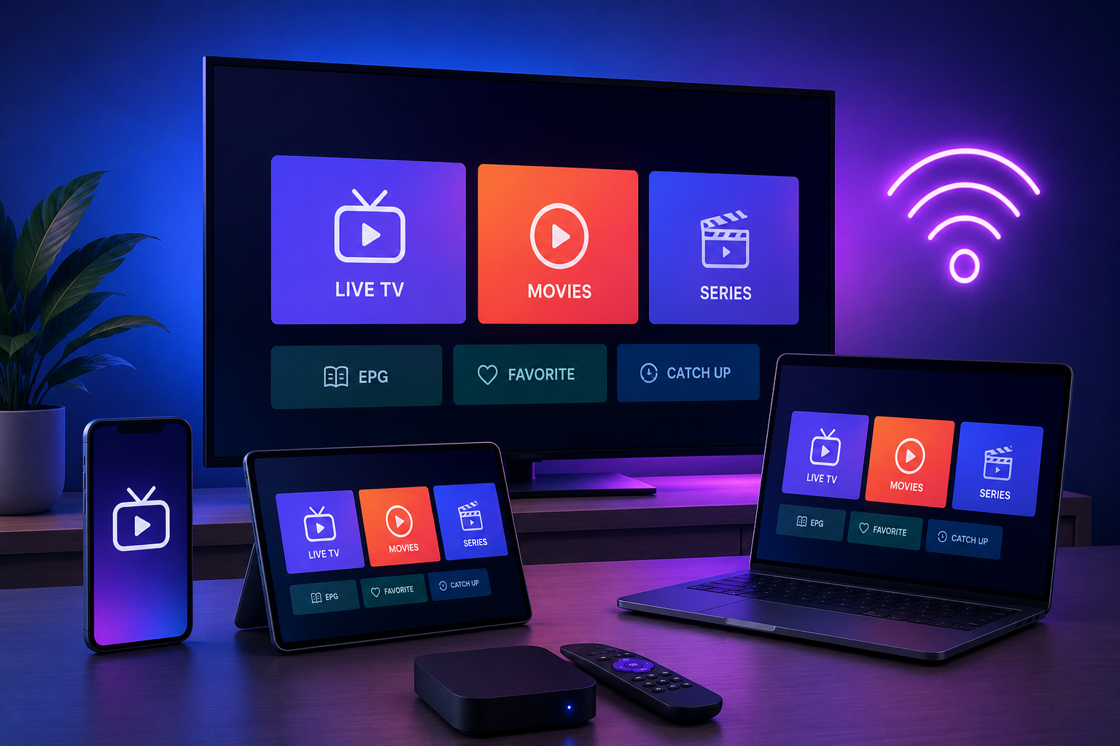
The IPTV ecosystem diagram above shows the clean architecture of a legitimate service. Content flows from licensed broadcasters through secure, encrypted servers directly to your home devices. This contrasts sharply with illegal IPTV setups that rely on stolen streams routed through unsecured servers in jurisdictions with lax copyright enforcement.
Frequently Asked Questions
Is IPTV legal in the USA?
Yes, IPTV is legal in the USA when the provider holds proper licensing agreements for the content they distribute. Major services like YouTube TV, Hulu + Live TV, and Sling TV operate legally. However, using or subscribing to an unlicensed IPTV service that streams copyrighted content without permission is illegal and could expose you to copyright infringement liability under US law.
How can I find a legal IPTV provider for 2025?
Finding a legal IPTV provider requires research. Look for services that openly disclose their licensing arrangements and have a physical business address. Check user reviews on trusted sites like Trustpilot. Avoid providers that only accept cryptocurrency payments or offer unmatchably low prices. Stick with well-known brands or services recommended by reputable tech publications that have verified their licensing claims.
What is the difference between legal and illegal IPTV?
The core difference comes down to content licensing. Legal IPTV providers pay broadcasters and content owners for the rights to distribute their channels and shows. They operate transparently with proper business registrations. Illegal IPTV providers steal streams through unauthorized access to broadcast feeds, often using cheap servers in countries with weak copyright enforcement. These services typically charge very low prices and disappear frequently to avoid prosecution.